The U.S. Army will put the H-60Mx and Sikorsky’s MATRIX flight autonomy software through a rigorous operational testing campaign with real world logistics in contested scenarios.
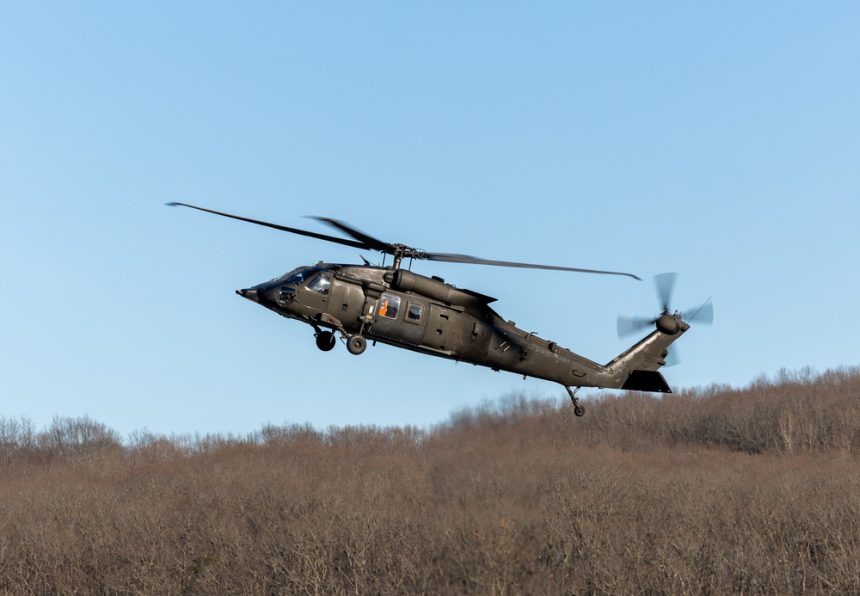
The U.S. Army received on Mar. 19, 2026, the H-60Mx Black Hawk Optionally Piloted Vehicle (OPV) at Fort Eustis, Virginia, the service announced. This comes a little more than a year after the Defense Advanced Research Projects Agency (DARPA) contracted Sikorsky to equip an experimental fly-by-wire UH-60 Black Hawk with MATRIX, the company’s flight autonomy software.
This new development will now further advance DARPA’s Aircrew Labor In-cockpit Automation System (ALIAS) program being in the works since 2020. As part of the program, Sikorsky has been testing and demonstrating another tablet-controlled UH-60A OPV Black Hawk, and even unveiled a purpose-built fully unmanned S-70UAS U-Hawk.
The upcoming operational testing campaign, according to DARPA, will see the technology and concept being refined and matured, with the Army Combat Capabilities Development Command (DEVCOM) working with DARPA and Sikorsky to identify new mission systems. The goal mentioned is a safer and smarter helicopter fleet.
https://platform.twitter.com/embed/Tweet.html?creatorScreenName=https%3A%2F%2Fx.com%2FParthSatam%3Ft%3DcoaKTN46G7ulZ_cH8tsoJQ%26s%3D09&dnt=false&embedId=twitter-widget-0&features=eyJ0ZndfdGltZWxpbmVfbGlzdCI6eyJidWNrZXQiOltdLCJ2ZXJzaW9uIjpudWxsfSwidGZ3X2ZvbGxvd2VyX2NvdW50X3N1bnNldCI6eyJidWNrZXQiOnRydWUsInZlcnNpb24iOm51bGx9LCJ0ZndfdHdlZXRfZWRpdF9iYWNrZW5kIjp7ImJ1Y2tldCI6Im9uIiwidmVyc2lvbiI6bnVsbH0sInRmd19yZWZzcmNfc2Vzc2lvbiI6eyJidWNrZXQiOiJvbiIsInZlcnNpb24iOm51bGx9LCJ0ZndfZm9zbnJfc29mdF9pbnRlcnZlbnRpb25zX2VuYWJsZWQiOnsiYnVja2V0Ijoib24iLCJ2ZXJzaW9uIjpudWxsfSwidGZ3X21peGVkX21lZGlhXzE1ODk3Ijp7ImJ1Y2tldCI6InRyZWF0bWVudCIsInZlcnNpb24iOm51bGx9LCJ0ZndfZXhwZXJpbWVudHNfY29va2llX2V4cGlyYXRpb24iOnsiYnVja2V0IjoxMjA5NjAwLCJ2ZXJzaW9uIjpudWxsfSwidGZ3X3Nob3dfYmlyZHdhdGNoX3Bpdm90c19lbmFibGVkIjp7ImJ1Y2tldCI6Im9uIiwidmVyc2lvbiI6bnVsbH0sInRmd19kdXBsaWNhdGVfc2NyaWJlc190b19zZXR0aW5ncyI6eyJidWNrZXQiOiJvbiIsInZlcnNpb24iOm51bGx9LCJ0ZndfdXNlX3Byb2ZpbGVfaW1hZ2Vfc2hhcGVfZW5hYmxlZCI6eyJidWNrZXQiOiJvbiIsInZlcnNpb24iOm51bGx9LCJ0ZndfdmlkZW9faGxzX2R5bmFtaWNfbWFuaWZlc3RzXzE1MDgyIjp7ImJ1Y2tldCI6InRydWVfYml0cmF0ZSIsInZlcnNpb24iOm51bGx9LCJ0ZndfbGVnYWN5X3RpbWVsaW5lX3N1bnNldCI6eyJidWNrZXQiOnRydWUsInZlcnNpb24iOm51bGx9LCJ0ZndfdHdlZXRfZWRpdF9mcm9udGVuZCI6eyJidWNrZXQiOiJvbiIsInZlcnNpb24iOm51bGx9fQ%3D%3D&frame=false&hideCard=false&hideThread=false&id=2035057596642566437&lang=en&origin=https%3A%2F%2Ftheaviationist.com%2F2026%2F03%2F22%2Fus-army-receives-darpa-optionally-piloted-h-60mx-black-hawk%2F&sessionId=2506acddd1ad0ba996eba0c97be9c0efba6a21da&siteScreenName=TheAviationist&theme=light&widgetsVersion=2615f7e52b7e0%3A1702314776716&width=550px
In fact, the ALIAS program aims to alleviate crew workload during logistical cargo missions in contested, high-risk battlespaces by eliminating the constraints of human endurance. This would help reduce operating and maintenance costs, while also offering a range of civilian applications.
New milestone
The U.S. Army statement said that the rigorous testing phase is aimed at building a safer, smarter, and more versatile helicopter fleet. The decade-old ALIAS program envisaged a removable kit to allow a high degree of automation for existing aircraft, aimed at easing complex flying tasks for the pilots to focus on higher-level mission tasks.
The operational testing campaign will see Army test pilots and engineers putting the OPV Black Hawk through its paces “to validate how seamlessly the aircraft can be controlled from the ground, how it performs in complex, real-world mission scenarios on its own,” with the ultimate goal of keeping soldiers effective and safer.